
Sê o primeiro a adicionar este livro aos favoritos!
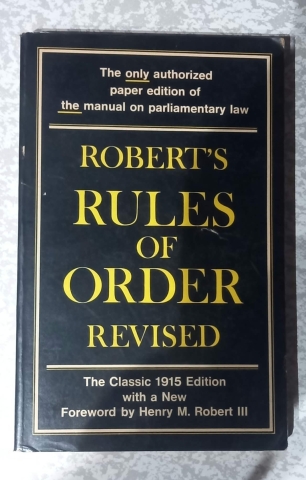
Livro Estrangeiro - Inglês - Robert's Rules of Order Revised
Autor: General Henry Martyn Robert
Coleção:
ISBN:
Data de Lançamento: 1979
Páginas:
Capa Mole
Idioma: Inglês
Estado: Bom
Editor: William Morrow and Company
Género Literário: Não Ficção / Procedimento Parlamentar, Direito Constitucional e Gestão Organizacional
O objetivo central de Robert's Rules of Order é garantir que as assembleias tomem decisões de forma justa, organizada e democrática.
O funcionamento prático do manual resume-se em quatro pilares principais:
1. Princípios Fundamentais de Conduta
• A maioria decide: A vontade da maioria prevalece nas votações.
• A minoria é ouvida: Os direitos da minoria de debater, discordar e apresentar o seu ponto de vista são estritamente protegidos.
• Uma coisa de cada vez: Apenas um assunto ou proposta pode ser discutido por vez na assembleia, evitando o caos.
• Direitos iguais: Todos os membros presentes têm exatamente o mesmo peso de voto e direito à palavra.
2. O Ciclo de uma Proposta (Motion)
Qualquer ideia ou ação nova deve passar por passos formais para ser validada:
1. Pedir a palavra: O membro levanta-se ou ergue a mão e aguarda que o Presidente lhe conceda formalmente a palavra.
2. Apresentar a proposta: O membro diz "Apresento a proposta de que..." (ou "I move that...").
3. Apoio (Second): Outro membro deve dizer "Apoio" (ou "Second"). Se ninguém apoiar, a proposta morre ali.
4. Debate: O Presidente abre espaço para a discussão pública. O proponente tem direito a falar primeiro.
5. Votação: O Presidente encerra o debate e coloca a proposta a votos (a favor ou contra).
3. Tipos de Propostas Populares
As propostas são divididas por prioridade:
• Proposta Principal (Main Motion): Introduz um novo tema ou projeto.
• Emenda (Amend): Modifica o texto da proposta que está a ser discutida.
• Adiar (Postpone): Atrasa a votação para dar mais tempo ao grupo.
• Encerrar a Sessão (Adjourn): Finaliza a reunião formalmente.
The central objective of *Robert's Rules of Order* is to ensure that assemblies make decisions in a fair, organized, and democratic manner.
The practical application of the manual is summarized by four main pillars:
1. Fundamental Principles of Conduct
• Majority rule: The will of the majority prevails in votes.
• The minority is heard: The rights of the minority to debate, disagree, and present their point of view are strictly protected.
• One thing at a time: Only one subject or proposal may be discussed at a time, preventing chaos.
• Equal rights: All members present have an equal vote and an equal right to speak.
2. The Lifecycle of a Motion
Any new idea or action must go through formal steps to be validated:
1. Seeking the floor: A member stands or raises their hand and waits for the Chair to formally grant them the floor.
2. Making a motion: The member states, "I move that..."
3. Seconding: Another member must say, "Second." If no one seconds the motion, it dies immediately.
4. Debate: The Chair opens the floor for public discussion. The person who made the motion has the right to speak first.
5. Voting: The Chair closes the debate and puts the motion to a vote (in favor or against).
3. Common Types of Motions
Motions are categorized by priority:
• Main Motion: Introduces a new topic or project.
• Amendment: Modifies the text of a motion currently under discussion.
• Postpone: Delays a vote to allow the group more time.
• Adjourn: Formally concludes the meeting.
Sobre o/a vendedor/a