
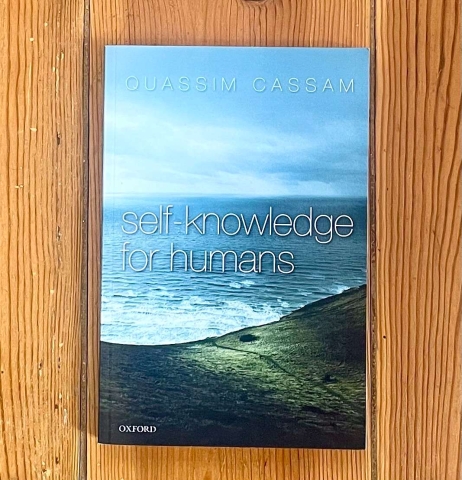
Clica na imagem para veres mais fotos do livro.
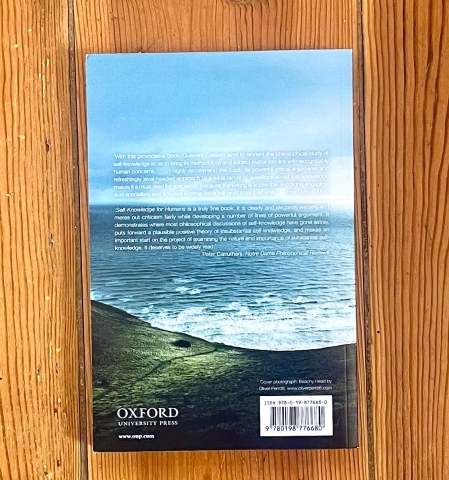

Sê o primeiro a adicionar este livro aos favoritos!
Human beings are not model epistemic citizens. Our reasoning can be careless and uncritical, and our beliefs, desires, and other attitudes aren't always as they ought rationally to be. Our beliefs can be eccentric, our desires irrational and our hopes hopelessly unrealistic. Our attitudes are influenced by a wide range of non-epistemic or non-rational factors, including our character, our emotions and powerful unconscious biases. Yet we are rarely conscious of such influences. Self-ignorance is not something to which human beings are immune.
In this book Quassim Cassam develops an account of self-knowledge which tries to do justice to these and other respects in which humans aren't model epistemic citizens. He rejects rationalist and other mainstream philosophical accounts of self-knowledge on the grounds that, in more than one sense, they aren't accounts of self-knowledge for humans. Instead he defends the view that inferences from behavioural and psychological evidence are a basic source of human self-knowledge. On this account, self-knowledge is a genuine cognitive achievement and self-ignorance is almost always on the cards.
Sobre o/a vendedor/a